Range & Distribution
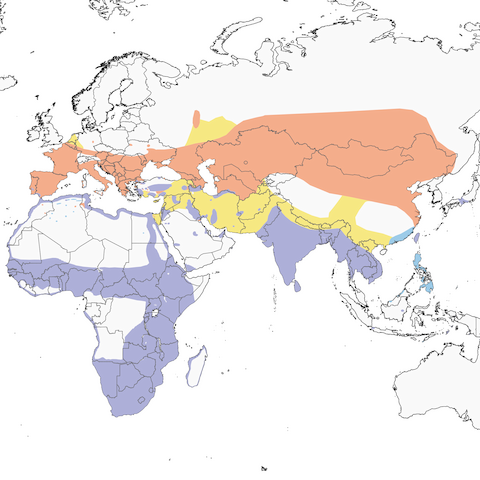
Breeding
Year-round
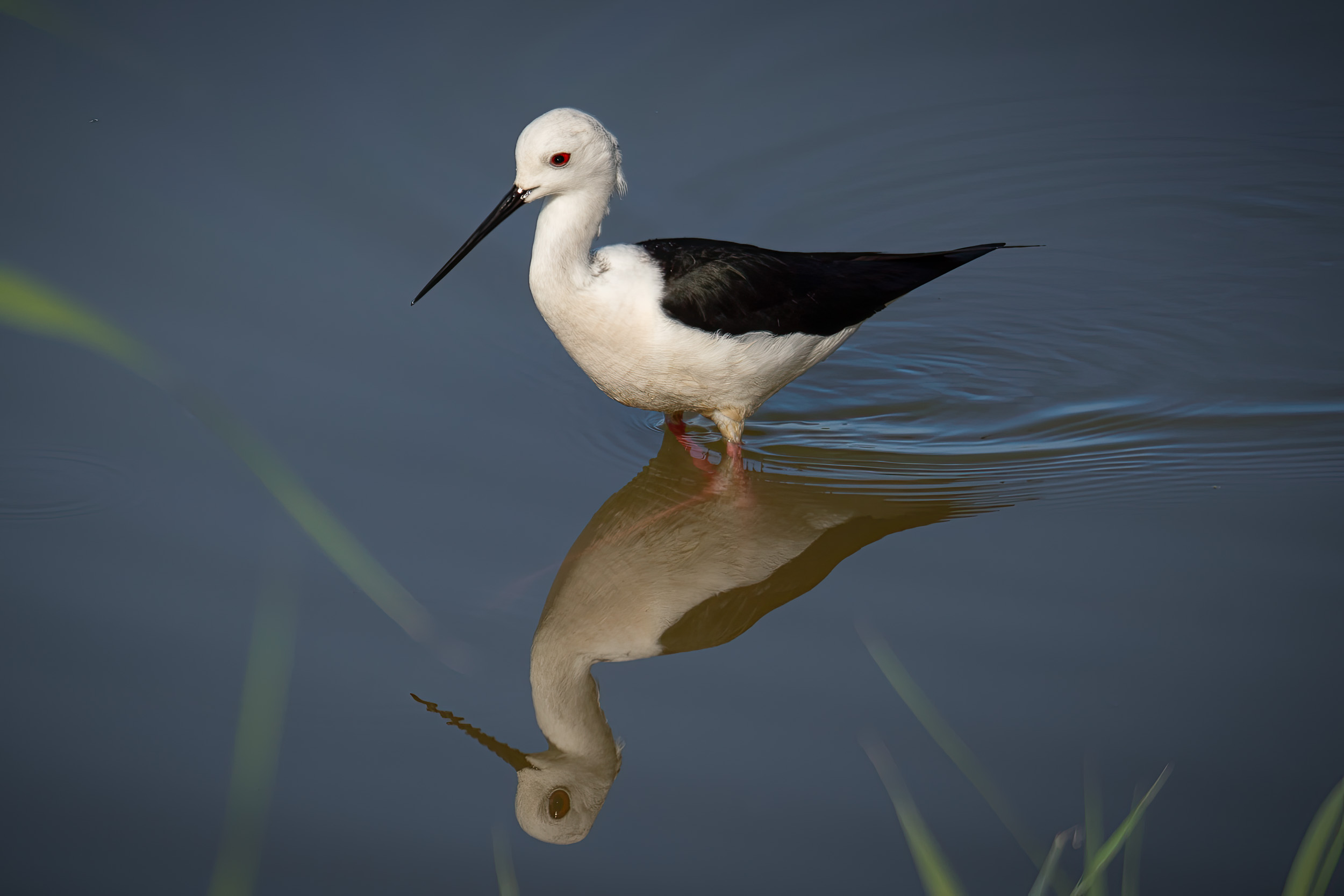
The Black-winged Stilt is one of the most architecturally striking of wading birds — a delicate black-and-white bird mounted on absurdly long pink legs that account for a disproportionate share of its total height. In flight, the legs trail conspicuously behind the tail, giving the bird an improbably elongated silhouette.
The species is highly vocal and vigorously defensive of the nest site, dive-bombing and calling loudly at any perceived intruder. This behavior, combined with the open, flat habitat the species favors, makes nest sites relatively straightforward to locate during the breeding season. Both parents participate in incubation and chick defense.
The bold graphic contrast of black upperwing and back against pure white underparts makes this a striking subject under almost any light conditions. The pink legs — best captured close to the bird — glow particularly well in warm late-afternoon light. Salt pans and shallow coastal lagoons in Spain and Portugal hold some of the largest and most accessible breeding concentrations in Europe.
Globally common and increasing, the Black-winged Stilt has expanded its breeding range northward into central Europe in recent decades, likely aided by warming temperatures and the creation of suitable shallow wetland habitats at sewage treatment works, aquaculture ponds, and managed wetland reserves. No significant conservation concerns currently apply to the species at a global level.