Range & Distribution
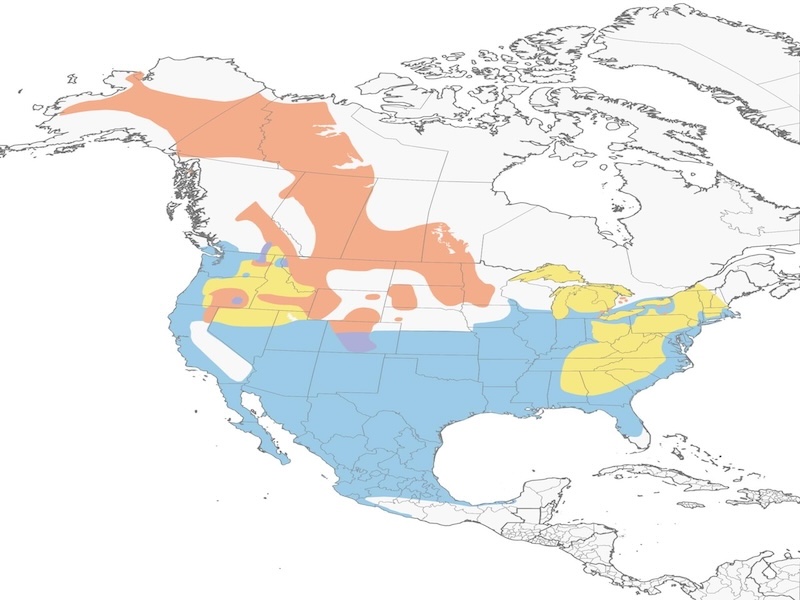
Breeding
Nonbreeding
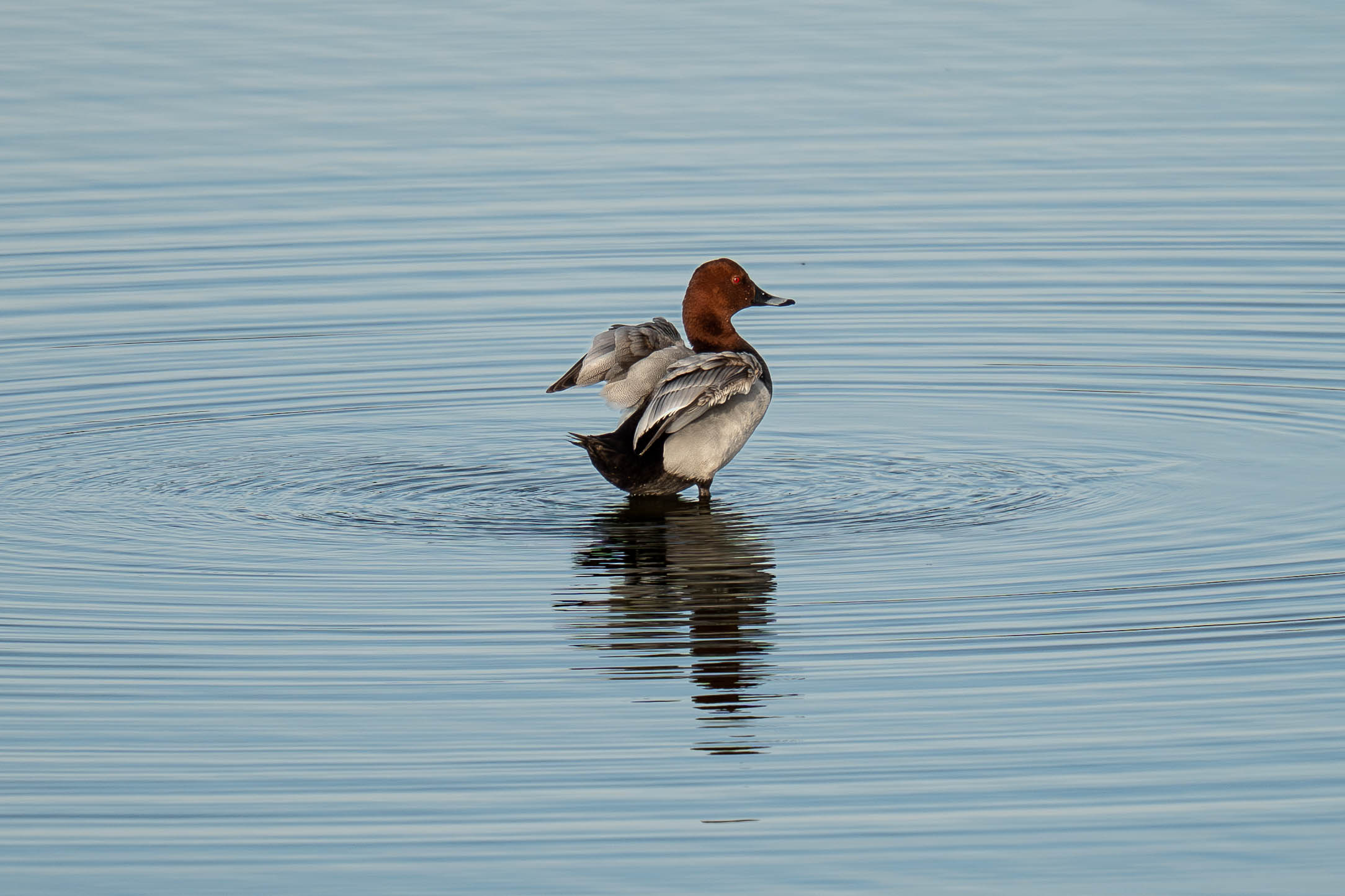
The Canvasback is the largest of North America's diving ducks, and the adult male's canvas-white back, chestnut-red head, and distinctive long sloping profile — the bill and forehead form an almost unbroken line — make it one of the more elegantly proportioned waterfowl on the continent. The name itself is a direct reference to the pale back, which resembles unprimed canvas.
A bird of open water, the Canvasback tends to gather in large rafts on big lakes and protected coastal bays during winter. These concentrations can number in the thousands and are often found in association with other diving duck species. The birds dive repeatedly to feed on aquatic vegetation and invertebrates at depth.
Winter light on large open water with diving ducks is challenging — flat grey skies can actually work in your favor by eliminating harsh highlights on dark plumage and water surface glare. Early morning light on calm water, when the ducks are active after a night of roosting, typically offers the most productive windows.
The Canvasback is closely tied to the prairie pothole region of central North America for breeding — one of the most biologically productive and most threatened wetland ecosystems on the continent. Drainage of prairie wetlands for agriculture has significantly reduced available breeding habitat. Populations fluctuate considerably with drought cycles that affect pothole availability. Lead poisoning from ingesting spent shot in contaminated sediments remains an ongoing mortality factor.