Range & Distribution
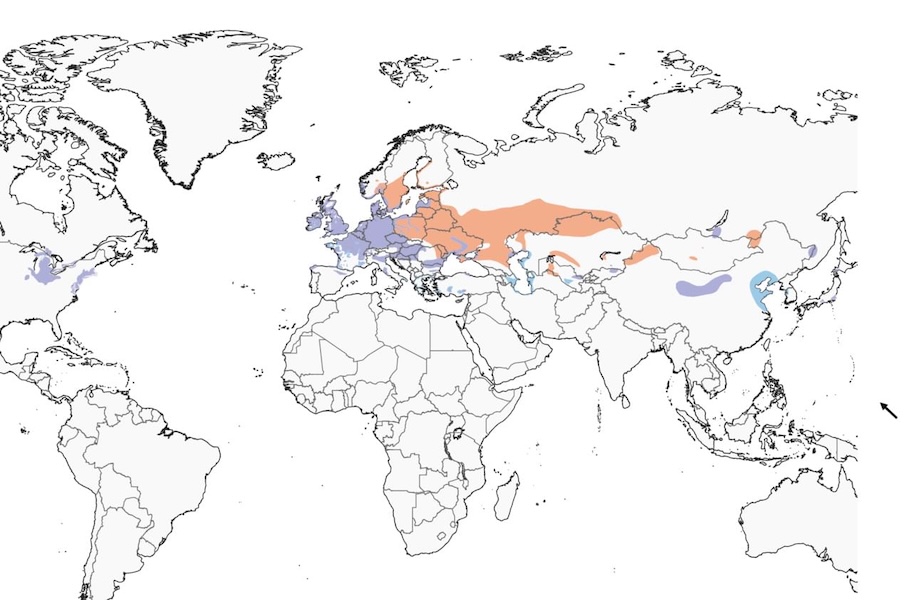
Year-round
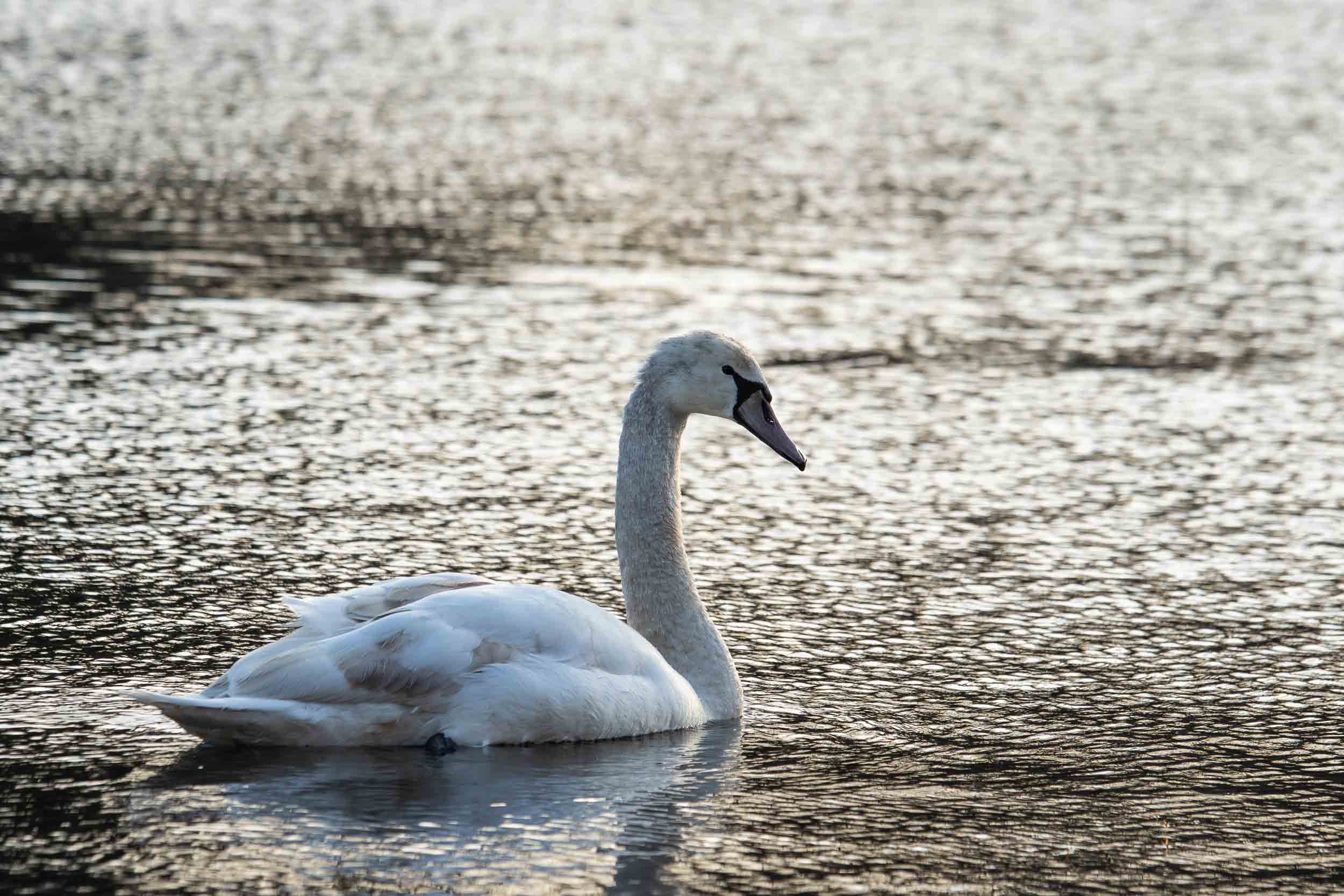
The Mute Swan's combination of pure white plumage, an orange bill with a distinctive black knob at the base, and its sheer scale makes it one of the most immediately recognizable waterfowl in the world. Despite the name, Mute Swans are not truly silent — they produce hisses, grunts, and snorting sounds, particularly when defending territory or young.
The arched-wing threat display, in which the bird raises its wings into a canoe shape and advances toward a perceived threat while hissing, is one of the most dramatic postures in waterfowl behavior and one of the most photographed. Cygnets — the grey-brown young — ride on their parents' backs in the weeks after hatching, a behavior that offers some of the most compelling family portraits in wildlife photography.
Still water with good reflection potential is the defining photographic opportunity with this species. Early morning on sheltered lakes and ponds, before wind breaks the surface, allows full mirror reflections that complement the bird's graceful form. The golden light of the first hour after sunrise on white plumage rewards patience at the water's edge.
Native across Europe and Asia, the Mute Swan was introduced to North America and has established feral populations across much of the eastern US and Great Lakes region. In North America it is considered an invasive species in many states, where it displaces native waterfowl, degrades aquatic vegetation beds through intensive grazing, and exhibits territorial aggression during the breeding season. In its native European range it is stable and increasing. Lead poisoning from ingested fishing weights historically caused significant mortality in European populations.