Range & Distribution
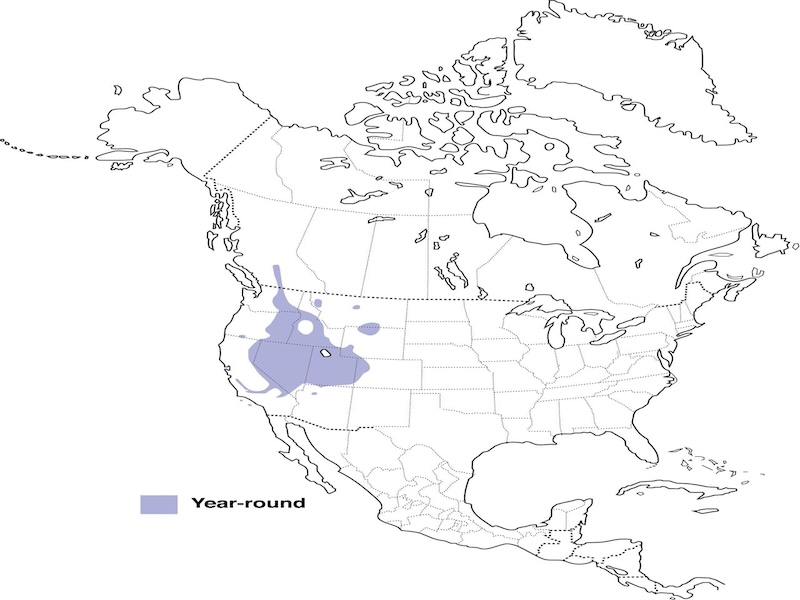
Year-round
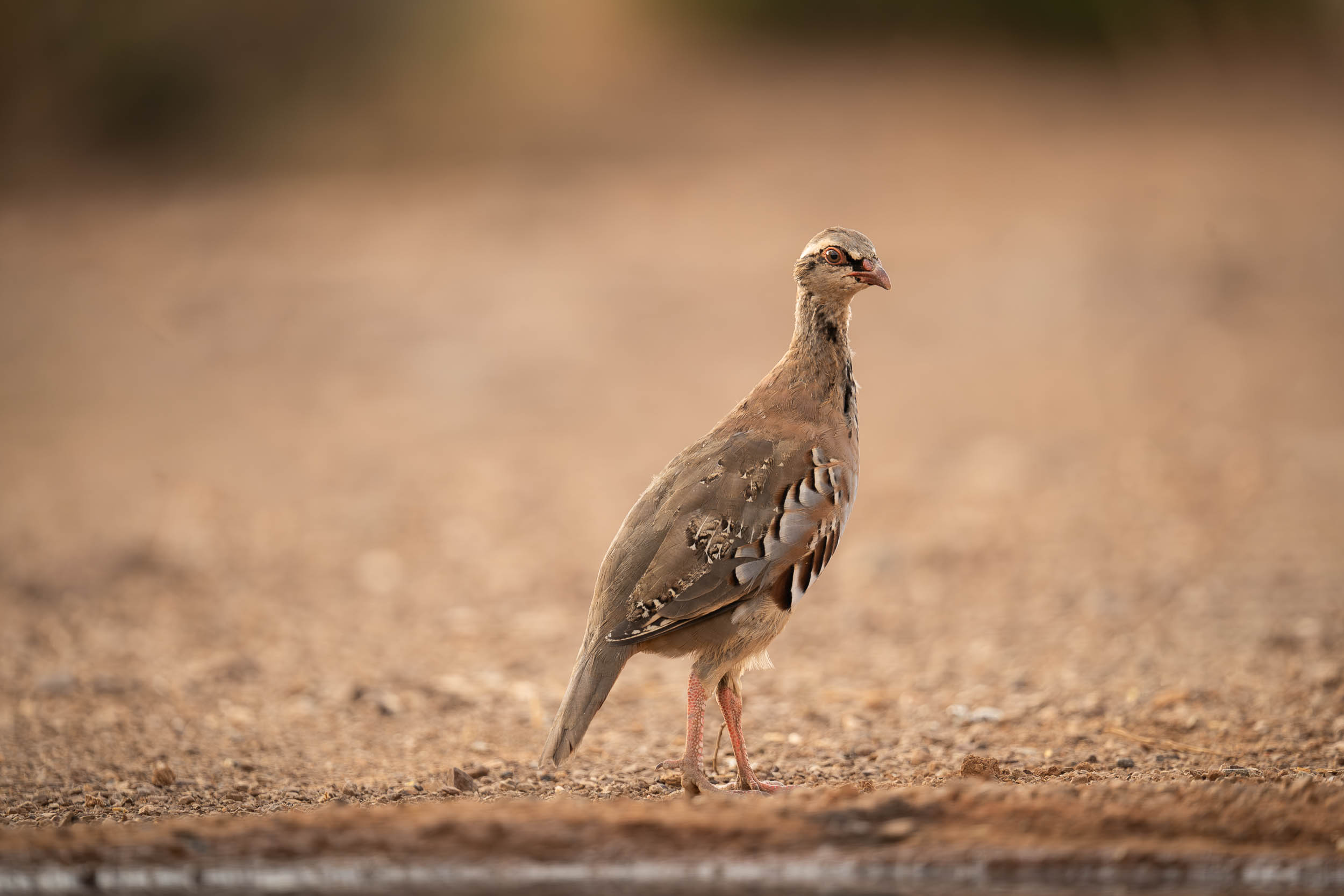
The Chukar is an attractively marked partridge — clean grey-brown above, with bold black-and-white barring on the flanks, a striking black gorget outlining the white face and throat, and a red bill and legs. The plumage is clean and graphic, and the birds tend to sit tight on rocky slopes before running rather than flushing, which allows extended observation at moderate range.
A bird of steep, rocky, and arid hillsides, the Chukar occupies terrain that is often difficult to access and hot for much of the year. Early morning, when birds descend to feed on lower slopes before retreating to rocky cover in the heat of the day, is the most productive time. The loud, repetitive 'chukar-chukar' call, carrying clearly across bare hillsides, is the primary locating tool.
Scrubby hillsides with rocky outcrops in Mediterranean and continental European environments — particularly in Greece, Turkey, and across the Levant — offer reliable encounters with this species in its native habitat. The barred flanks and red bill photograph well in the warm, directional light of early morning in open, rocky terrain.
Common and widespread across its native range in southeastern Europe, the Middle East, and Central Asia, the Chukar Partridge faces no conservation concerns globally. It has been introduced as a game bird to parts of western North America, Hawaii, and New Zealand, where established feral populations persist. The species is closely adapted to rocky, arid hillside habitat and is sensitive to habitat modification in its core range.