Range & Distribution
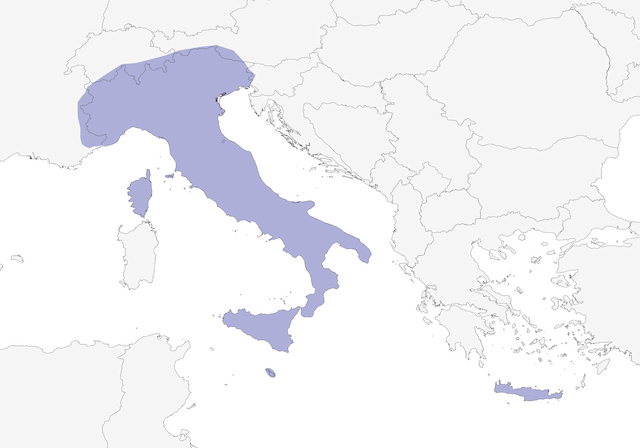
Year-round
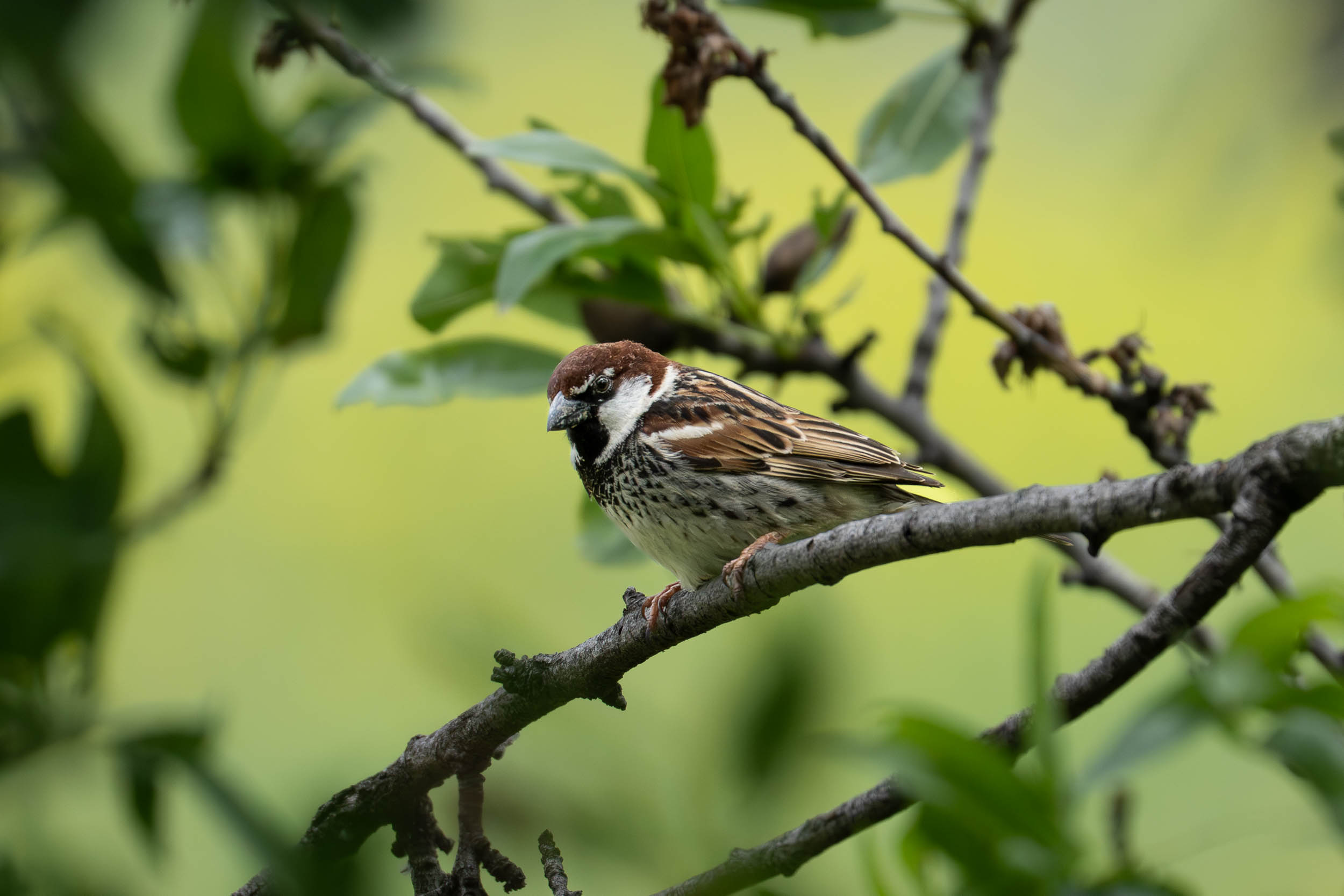
The Italian Sparrow is taxonomically unusual — it is the result of stabilized hybridization between the House Sparrow and the Spanish Sparrow, and now represents a distinct species confined almost entirely to Italy and its associated islands. The male shows an intermediate appearance: the chestnut cap of the Spanish Sparrow combined with the white-cheeked pattern of the House Sparrow, producing a distinctive and recognizable bird.
Like its parent species, the Italian Sparrow is a colonial and sociable bird of human settlements — towns, villages, and agricultural landscapes. Flocks gather at grain stores, outdoor dining areas, and wherever food is reliably available. The species is generally tolerant of close approach in urban settings where it is habituated to human presence.
The combination of the chestnut cap and clean white cheek patch distinguishes the Italian Sparrow clearly from the House Sparrow where their ranges approach each other at the northern edge of the peninsula. Photographic documentation of the distinctive male plumage in the context of Italian urban and rural landscapes has value for the documentation of this taxonomically significant species.
The Italian Sparrow is a stabilized hybrid species — the result of ancient hybridization between the House Sparrow and Spanish Sparrow — that has evolved into a reproductively isolated and geographically distinct taxon. Its taxonomic status has been debated extensively, with the species concept now widely accepted. As a largely urban and suburban bird, it faces threats similar to those affecting House Sparrows across Europe, including changes in building architecture reducing nesting sites and declines in invertebrate food availability for chicks.