Range & Distribution
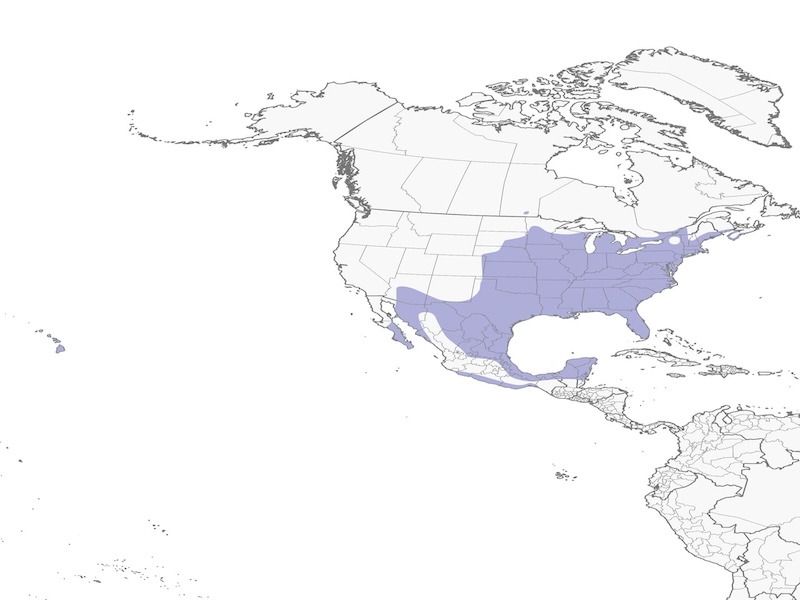
Year-round
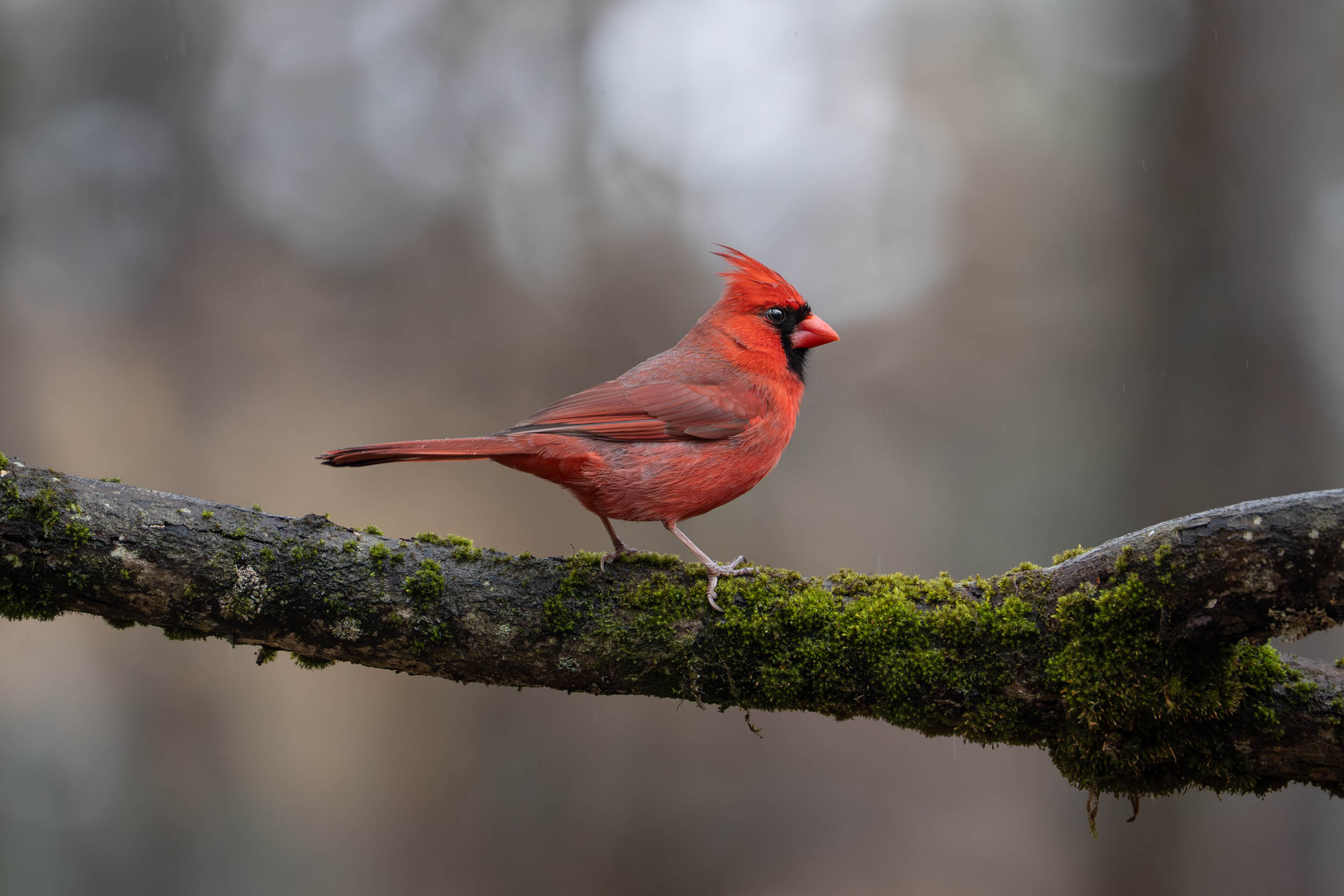
The adult male Northern Cardinal is one of the most immediately recognizable songbirds in North America — the solid red plumage, prominent crest, and black mask at the face are unmistakable. Females are more subtly colored but no less distinctive: warm buff-brown with reddish tinges on the crest, wings, and tail, and the same heavy orange-red bill.
Cardinals are year-round residents and do not migrate, making them reliable subjects throughout all seasons. In winter, the male's red plumage against fresh snow is among the most classic images in North American bird photography. The species visits feeders reliably and predictably, which gives controlled access for extended photography at close range.
Natural light in winter forest or garden settings early in the morning, when birds are active at feeders and perching in nearby shrubs, provides the best conditions. The bright red plumage can easily overexpose in harsh sunlight — overcast winter light or the soft directional light of early morning renders the color most accurately without blown highlights.
The Northern Cardinal is abundant and widespread, and represents one of the few species that has actively expanded its range northward over the past century — likely aided by increased winter bird feeding and the development of suburban landscapes with suitable shrubby habitat. No conservation concerns apply to the species.