Range & Distribution
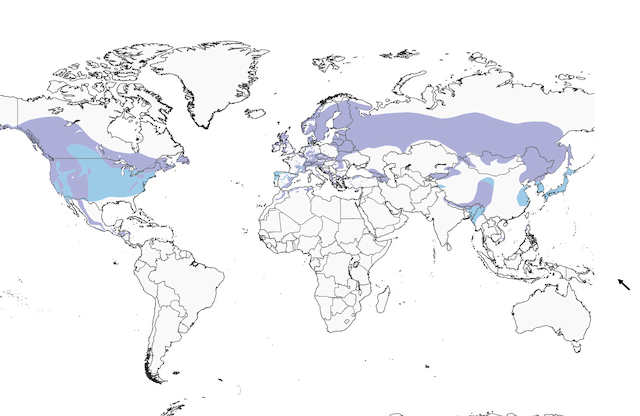
Year-round
The Red Crossbill's most obvious feature — the unique bill with crossed mandible tips — is a specialized adaptation for extracting seeds from closed conifer cones. The bird inserts its bill between the cone scales, twists, and uses the crossed tips as a lever to pry the scale open while the tongue retrieves the seed. Different bill sizes across populations correspond to different preferred cone types.
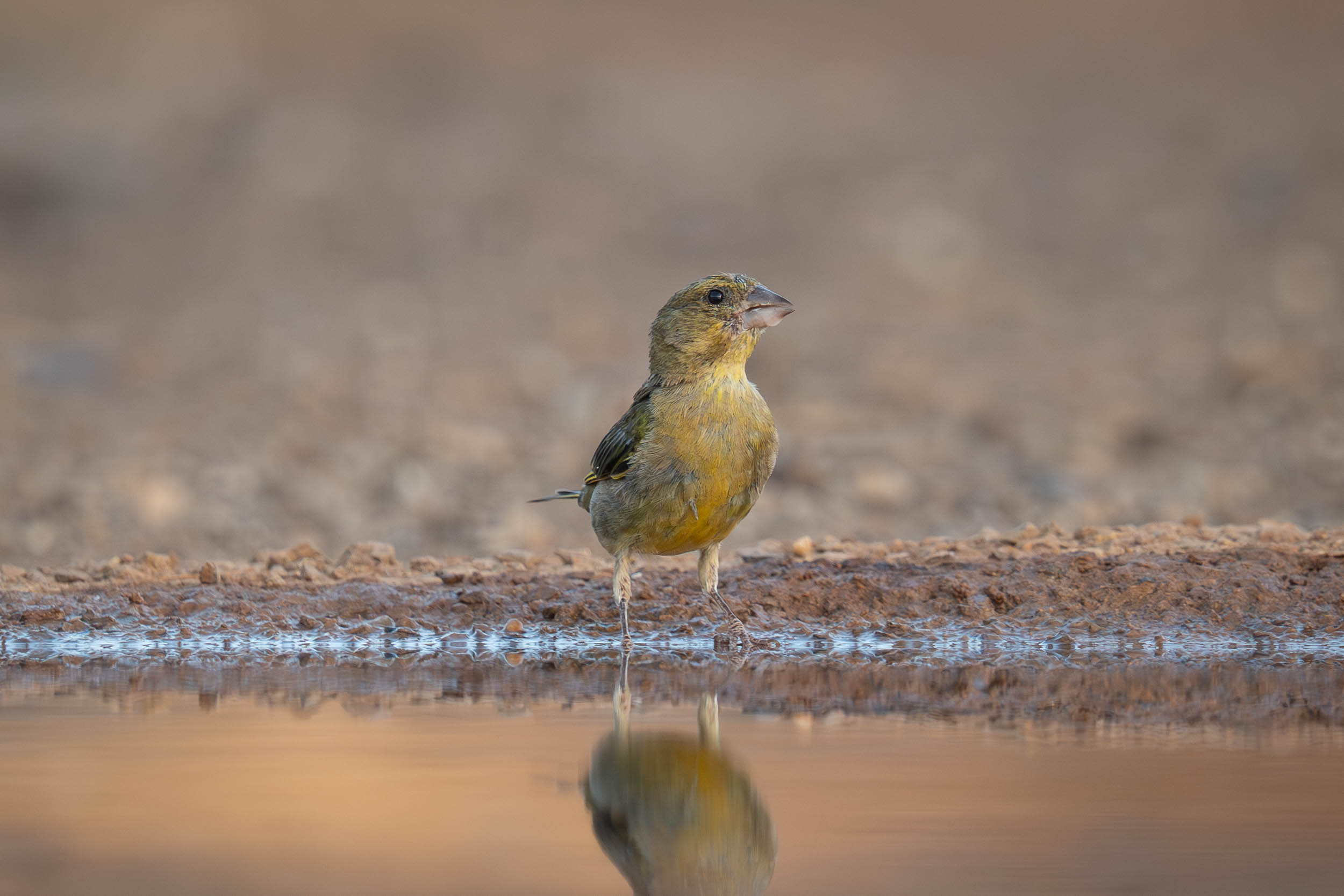
Adult males are brick red to orange-red; females are olive-yellow to greenish; immatures are streaked. Plumage variation combined with the multiple bill-size types makes this one of the more complex identification challenges among common North American finches. The distinct call types associated with different populations have become a primary identification tool for separating them in the field.
Crossbills are best found by listening — the distinctive jip-jip contact calls given in flight are the primary locator. Conifer stands showing heavy cone crops in autumn and winter attract nomadic flocks that can be watched feeding actively in the canopy. The birds are often remarkably tame, allowing close approach while engaged in cone extraction.
The Red Crossbill is globally common and under no significant conservation pressure. Across North America, the species is divided into multiple 'types' — varying in bill size and call — each adapted to different conifer species and considered by some researchers to represent incipient species. The nomadic, irruptive nature of populations makes population monitoring exceptionally difficult.