Range & Distribution
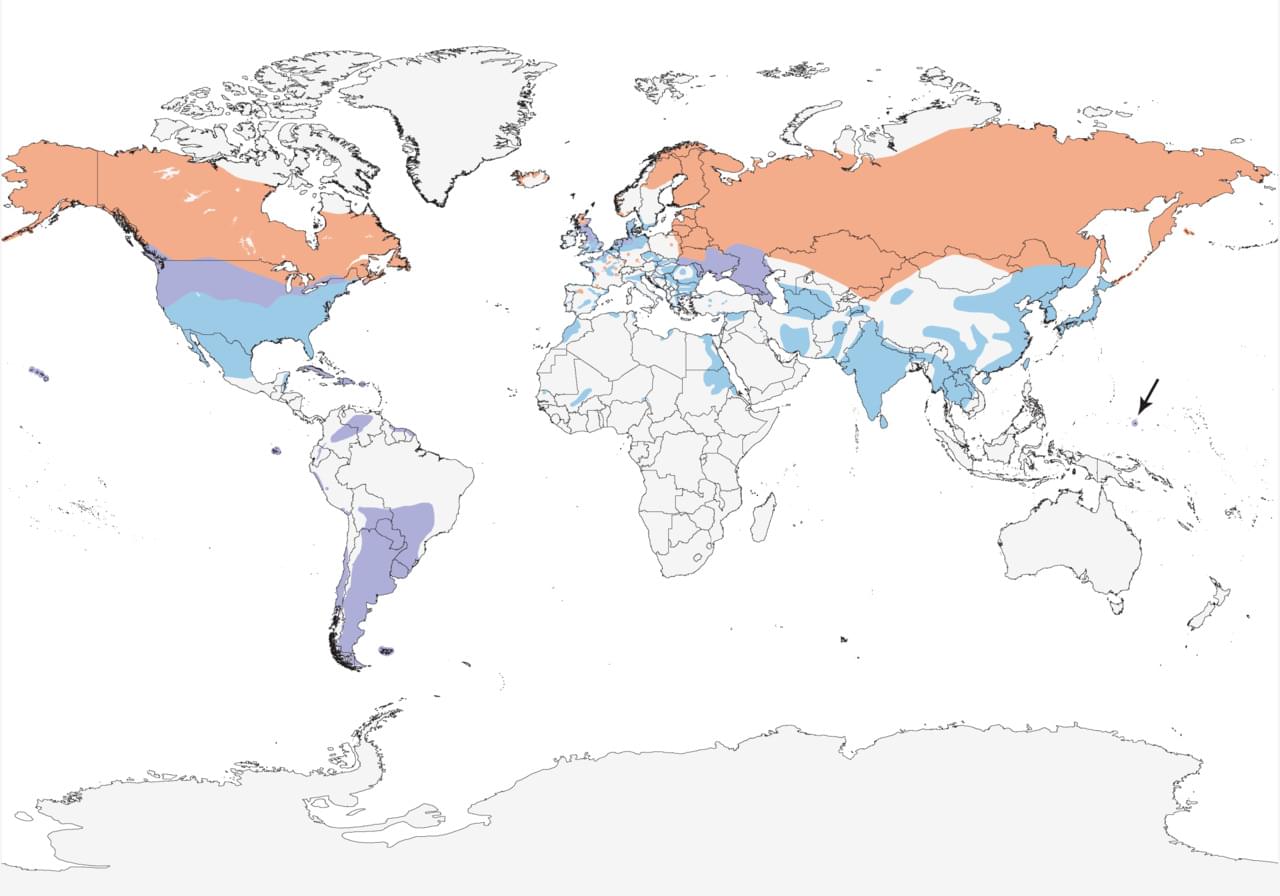
Year-round
Breeding
Nonbreeding
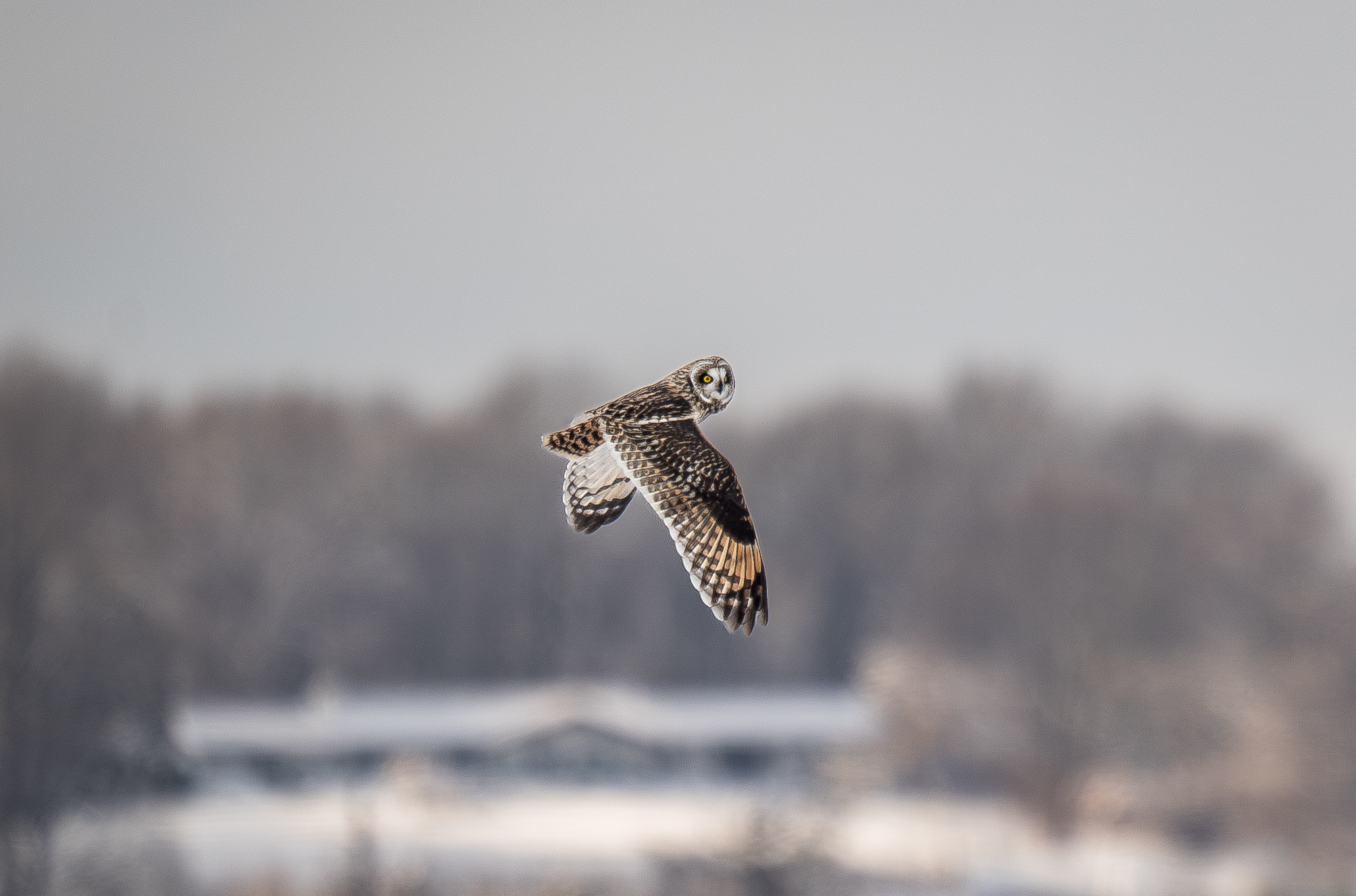
Unlike most owls, the Short-eared Owl is strongly diurnal — active during daylight hours, particularly in the low light of early morning and late afternoon. This makes it one of the few owls regularly encountered and photographed in natural light. The buoyant, moth-like flight over open grassland and marsh is distinctive, with deep, floppy wingbeats and long glides on slightly raised wings.
The "ears" that give this species its name are tiny tufts rarely visible in the field — more useful as an identifier is the pale, rounded facial disc with bold yellow eyes and the streaked buff and brown plumage that blends into dried grass and sedge. Black carpal patches on the underwing are a reliable in-flight mark at closer range.
Open country is the defining habitat requirement — coastal grasslands, airport margins, agricultural fields, tundra, and marsh edges. Winter irruptions driven by vole population cycles can concentrate multiple birds in productive hunting areas, providing some of the best observation and photography opportunities. Patient field time during the golden hour in coastal grassland habitat in late autumn and winter yields consistent results with this species.
Globally listed as Least Concern, the Short-eared Owl has nonetheless experienced significant regional declines across much of Europe and North America, driven primarily by the loss of open grassland and wetland habitats to agricultural intensification. Ground nesting makes the species acutely vulnerable to nest disturbance and predation. It is listed as a Species of Conservation Concern across much of its range. Population numbers fluctuate considerably in response to prey cycles, making trend assessment difficult.